
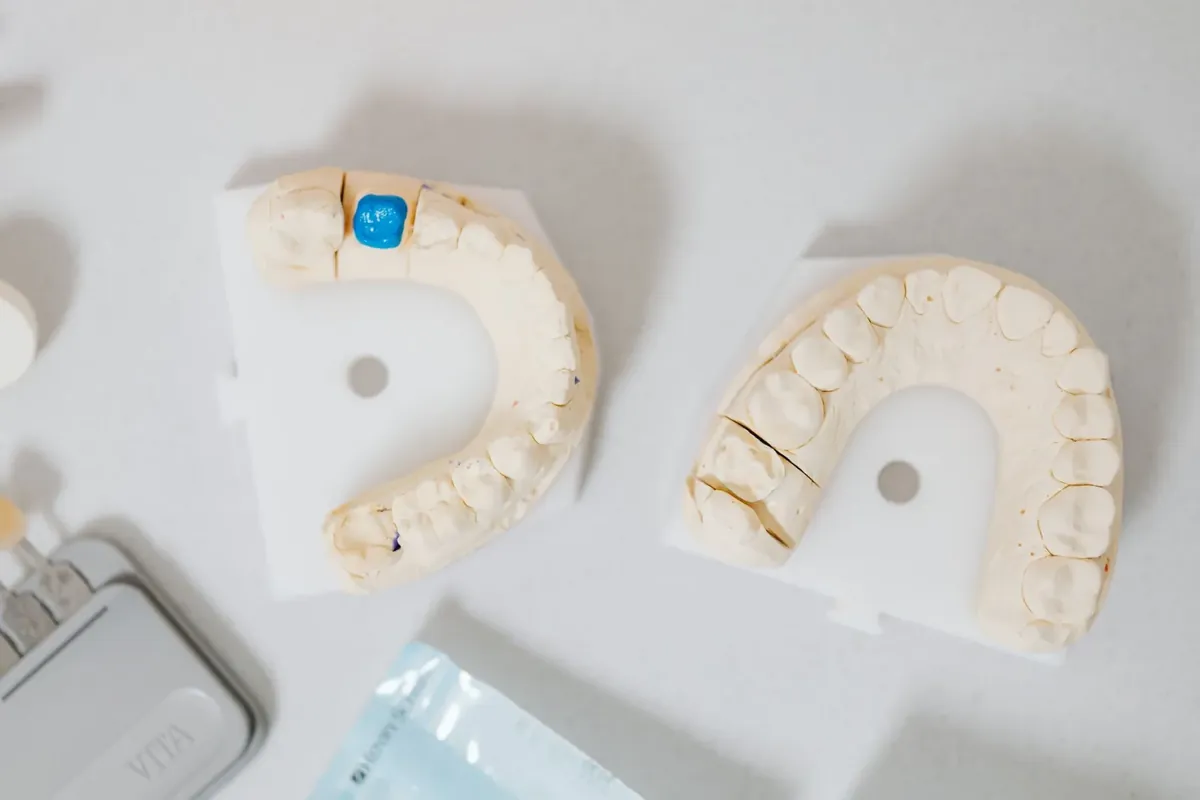
Composite fillings and bonding that repair decay and chips in a shade matched to the tooth, so the repair is not the first thing anyone sees.
Book an appointmentA filling repairs a tooth that has lost structure to decay or a fracture, and a tooth-colored composite does it without announcing the repair.
Composite is placed in layers and cured, then shaped and polished to the anatomy of the tooth. Done carefully it reflects light the way enamel does, which is what makes the repair disappear rather than merely match on a shade guide.
Where a filling is the right answer, and where it is not
Composite is the conservative choice while enough sound tooth remains to support it. Past a certain point it stops being the right answer: a filling that covers most of the biting surface flexes under load, and the tooth around it fractures instead. Where that line falls is a judgement per tooth, and it is the reason an inlay, onlay or crown is sometimes recommended for a cavity that a filling could technically fill.
Bonding
The same material repairs a chipped edge, closes a small gap, or evens out a worn front tooth. Bonding removes little or no tooth structure, so it is a reasonable place to start on a cosmetic concern before considering anything irreversible.
Both are done in a single visit, and both are shade-matched in the chair rather than ordered from a laboratory.
Ready to get started?
Composite fillings and bonding that repair decay and chips in a shade matched to the tooth, so the repair is not the first thing anyone sees.
Frequently Asked Questions
Common questions about tooth-colored fillings at LAL Dental.