What Should a Dental Implant Quote Include?
Learn what a dental implant quote should include: imaging, implant system, and treatment stages, from LAL Dental in Midtown East, NYC.
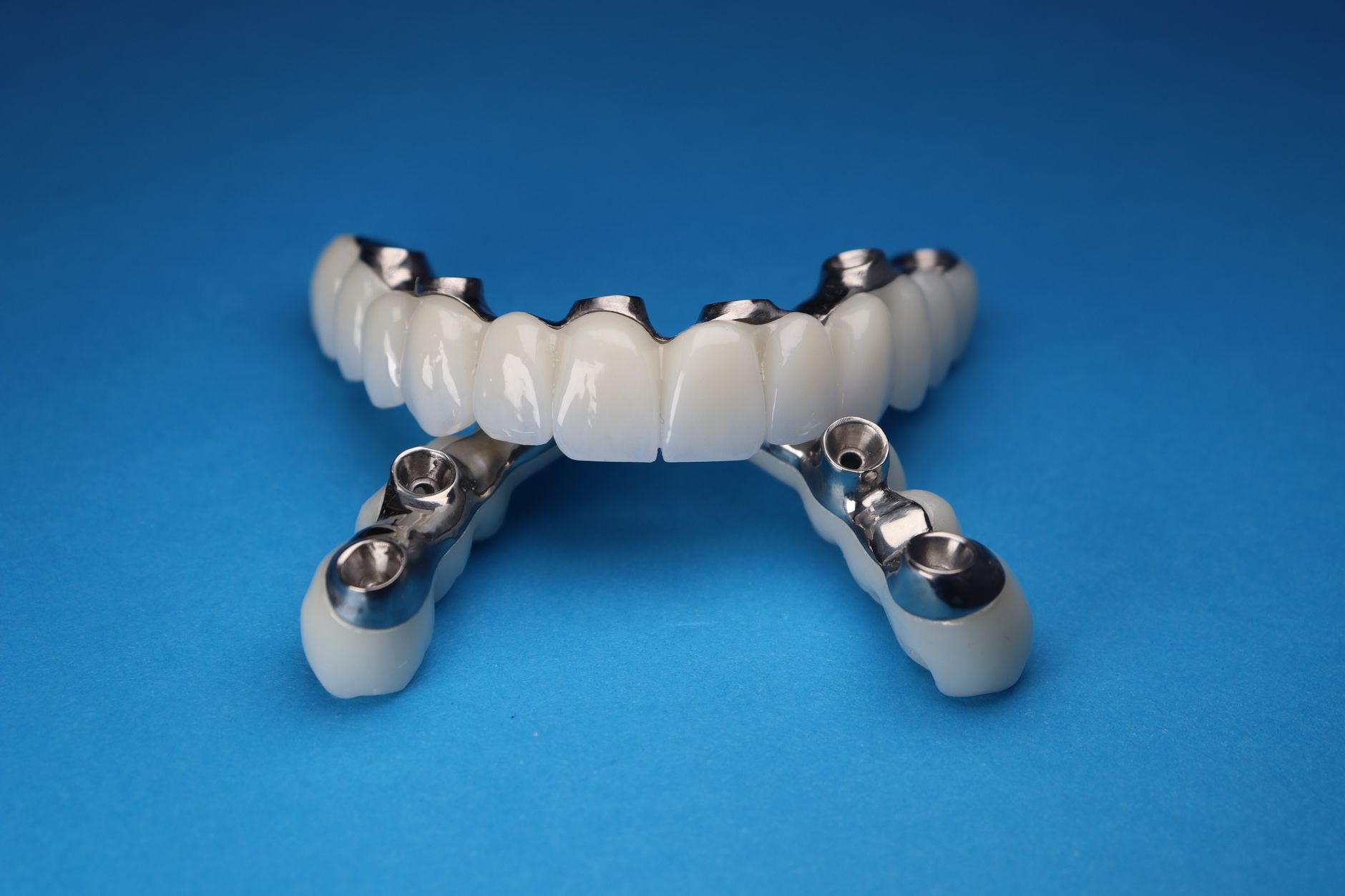
A dental implant quote only tells you something once you can see the plan behind it. That plan should include a full exam with 3D imaging, the specific implant system named in writing, every stage from placement to the final crown, and the healing time built into the timeline. The American Dental Association has addressed dental implant practices directly. It says patients should expect a comprehensive exam first, then a conversation about the range of treatment options, and it encourages them to ask questions. That is where the conversation about cost should start, too.
Last updated:
A Complete Number Follows a Complete Exam
Two quotes for what sounds like the same implant can differ widely because they are pricing different amounts of work. One may cover only the implant post itself; another may include the imaging, the bone evaluation, a temporary restoration, and the final crown. Comparing the bottom line before comparing what sits behind it tells you nothing.
What a number covers depends on what was examined. A plan might start with a prosthodontist near Murray Hill evaluating the site, the bite, and the surrounding teeth. That looks different on paper from a single line item for a part.
A quote that lists only "implant placement" may leave out the abutment, the crown, and the imaging that confirms where the implant can safely go. Ask whether the number in front of you covers the whole course of treatment or just the surgical step on its own.
The Plan Starts From the Finished Tooth
Before your implant is placed, the finished tooth needs mapping first: its height, its angle, and how it meets the tooth that bites against it. An exam that skips this step prices only a part of the treatment.
At LAL Dental, that mapping uses a cone beam CT scan of the jaw together with an iTero Lumina intraoral scan of the bite. The two scans let the team plan implant position from the finished crown backward, before any surgical step is scheduled. The same logic applies to guided implant surgery in Midtown East, where the surgical guide is built from the imaging.
The exam also checks how much bone is present and how it relates to nearby teeth and nerves. An implant placed without that information can end up positioned wrong for the crown that goes on top of it later.
The Implant System Belongs in Writing
Which implant system ends up in your jaw matters, because it decides what can be done to it later. That includes which abutments fit, which crown connections are compatible, and who can service it years from now. A complete plan names that system on paper, not just "an implant."
Dr. Kunal Lal, a Diplomate of the American Board of Prosthodontics, has published peer-reviewed research on implant placement technique, including two 2006 Journal of Prosthodontics papers on stereolithographic surgical templates. That published record, available on the practice's page of Dr. Lal's published implant research, reflects the same level of written detail a complete treatment plan should also give the device itself.
The system matters because the long-term record belongs to specific designs. A 2019 Journal of Dentistry systematic review of contemporary implant systems followed for 10 years estimated implant survival at 96.4%. That figure describes the systems studied, which is one more reason to know which one you are getting.
Without the system named in writing, there is no way to confirm later which implant was placed. That complicates any future repair or replacement of the crown sitting on top of it.
Healing Time Is Part of the Treatment Plan
An implant plan lists months because the bone needs time to integrate with the implant before it can carry a crown. That healing period is a scheduled stage of the treatment.
What happens during that stage, and what an interim restoration looks like in the meantime, are common questions. The practice's prosthodontist and implant FAQ page answers many of them in plain terms, including how the timeline is built into the plan rather than left open-ended.
A plan that states an expected healing window up front gives you a realistic frame for the whole course of treatment. That is better than leaving the timeline to be explained after the fact.
Full-Arch Cases Add Stages a Single Crown Doesn't Have
Replacing most or all of the teeth in an arch takes more than the same plan multiplied by more teeth. It carries its own additional stage. A provisional set of teeth is often fitted around the time of surgery, long before the final crowns are made. A complete plan names that stage separately from a single-tooth case.
That provisional set lets you function and chew while healing takes place, and lets the surgical team confirm bite and appearance before committing to the final crowns.
A plan for full-arch or full-mouth reconstruction, described on the practice's dental services page, should list the provisional stage and the final stage as separate items. The two should not be combined into one figure.
Judge the Plan Before the Number
Put the pieces together and the check is simple. A dental implant number is only worth comparing once the imaging, the named implant system, and every stage from placement to the final crown are written down. A quote missing any of those covers only a fragment of the treatment.
Ask to see that plan before you compare one number against another. At LAL Dental in Midtown East, that plan starts with an exam and a scan. Book a consultation or call (212) 593-1212 to have that exam done and see the plan in writing.
Sources
Photo: Zeynep Kahraman (Pexels)
Related reading
Have questions about your smile?
Our team in New York is happy to help. New patients are always welcome.